-
Transforming student initiatives into actionable executive assignments within universities
-
Periodic follow-up and impact assessment of student union initiatives through the Leadership Preparation Institute
-
Launch of Digital Creativity Competition and Green Universities Cup to promote sustainability and student competition
-
Linking graduation projects to energy-related issues and supporting them through the Ministry’s Innovation Fund
-
Launch of a waste segregation at source initiative within universities and institutes
-
Promoting awareness of the Egyptian Energy Efficiency Code within universities, especially in practical and engineering faculties
-
Establishing a “University Ideas Bank” to convert student creativity into implementable projects
-
Supporting sustainable transportation initiatives and automation of campus services
-
Implementing applied student activities to rationalize energy consumption within universities
-
Strengthening the integration between higher education and development needs and the labor market
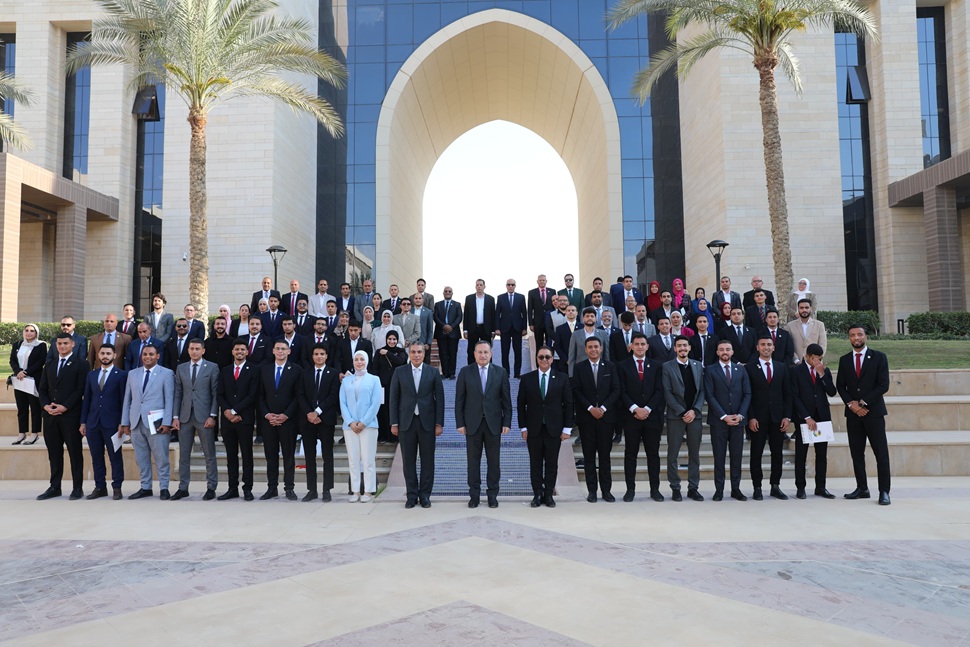
As part of the state’s orientation toward enhancing sustainability and rationalizing resource consumption, and in line with the Ministry of Higher Education and Scientific Research’s commitment to activating the role of students as key partners in implementing national initiatives, Dr. Abdelaziz Konsowa, Minister of Higher Education and Scientific Research, held an expanded coordination meeting with representatives of student unions and central student activity groups at Egyptian universities and institutes. The meeting was attended by Dr. Adel Abdel Ghaffar, Media Advisor and Official Spokesperson of the Ministry, and Dr. Karim Hemam, Advisor to the Minister for Student Activities and Director of the Leadership Preparation Institute.
The meeting aimed to review ongoing student efforts and present innovative ideas and proposals to enhance energy efficiency and transform awareness into sustainable, practical applications within the university community. A comprehensive presentation was delivered outlining the initiative’s objectives and implementation mechanisms, with a focus on promoting a culture of energy conservation and fostering “positive behavioral influence” among students.
The Minister emphasized that university students—estimated at around 4 million—represent a powerful force capable of driving widespread societal change. He stressed the importance of actively engaging them in implementing national initiatives, particularly the “Save It… Light It” initiative, to achieve measurable impact in energy conservation, while transitioning from awareness to practical, measurable implementation.
Dr. Konsowa explained that the Ministry is working to transform student initiatives into executable applied research and development projects led by university students themselves, with the support of the Ministry. This approach aims to link scientific research with societal challenges and development needs, ensuring continuous monitoring, evaluation, and measurable impact.
In this context, the Minister directed that the initiatives proposed by student unions and activity groups be converted into clear, actionable assignments. He tasked the Leadership Preparation Institute with preparing periodic reports on implementation rates, identifying challenges, and proposing mechanisms to address them.
The directives also included launching a package of initiatives and competitions at the university level, including the Digital Creativity Competition and the Green Universities Cup, to foster competition among universities in sustainability and encourage students to develop innovative, practical solutions that enhance resource efficiency and environmental awareness.
Proposals also included linking students’ graduation projects to energy-related and societal issues, focusing on practical solutions in renewable energy, energy conservation, recycling, and environmental sustainability. Financial support for these projects will be provided through the Ministry’s Innovation Support Fund to ensure the transformation of research ideas into applicable solutions.
The initiatives further included launching a waste segregation at source program within universities and institutes, through awareness campaigns and the provision of separate bins for organic, plastic, and paper waste in faculties and university dormitories. The plan also encourages small student-led recycling projects and startups within campuses.
Additional initiatives aim to promote environmental protection and energy conservation practices within universities, alongside raising awareness of the Egyptian Energy Efficiency Code, particularly among students in practical and engineering faculties, as a key reference in sustainable design and construction.
This approach seeks to enhance students’ understanding of the code and integrate it into both academic and practical learning paths, preparing them to apply energy efficiency standards in their future careers. Discussions highlighted that while the implementation of the code is directly linked to infrastructure development and design processes, students play a crucial role in awareness and promoting sustainability culture within universities.
Student proposals also included establishing a “University Ideas Bank” as a unified digital platform linked to the Supreme Council of Universities’ student activities system, aimed at collecting, categorizing, and evaluating student ideas, and transforming outstanding ones into implementable projects.
Other initiatives included introducing a smart bicycle-sharing system within campuses to support sustainable transportation, featuring distribution stations and a digital application for booking and tracking, alongside the automation of student services through integrated digital systems and full transition from paper-based to electronic processes.
Students were also encouraged to develop innovative digital applications to reduce energy consumption, such as monitoring systems for energy usage in campus buildings and smart alert systems. Additionally, regular digital creativity competitions will be organized to produce awareness content on sustainability and promote positive behavioral change.
The initiatives also include launching the “Green University Cup” as an annual competition to evaluate universities based on environmental sustainability, energy efficiency, and resource management, as well as linking graduation projects to the national research agenda—especially in renewable energy and sustainability fields.
Regarding implemented activities, participants highlighted the launch of pilot models in several universities, including energy-saving campaigns, initial waste segregation trials, and student-led awareness initiatives, reflecting a shift from theoretical planning to practical application. Efforts also included promoting digital solutions and reducing paper consumption through expanded electronic services.
At the conclusion of the meeting, several key directives were emphasized, including forming a working group to oversee implementation, requiring each university to develop actionable project plans, establishing the “University Ideas Bank” platform, supporting and funding outstanding student projects, expanding digital transformation, organizing regular competitions, strengthening partnerships, and supporting recycling and waste classification initiatives.
This meeting comes as part of the Ministry’s efforts to enhance the role of university students in achieving sustainable development goals and building a generation capable of leading change toward a more sustainable and resource-efficient society through active student participation and practical implementation of initiatives.
In this context, Dr. Karim Hemam affirmed that student activities are a key driver for translating policies into tangible outcomes within universities, reflecting students’ growing awareness and their ability to lead societal change.
Dr. Adel Abdel Ghaffar, Official Spokesperson of the Ministry, added that media coverage of the initiative aims to raise public awareness and expand participation, ensuring that awareness messages reach the widest possible segment of students and support the state’s efforts to promote sustainability and energy conservation culture.