• Both sides underscore the importance of expanding partnerships between Egyptian and Hungarian universities and enhancing cooperation in scientific research and innovation.
• Discussions cover the renewal of scholarship agreements, support for cooperation in technological and transnational education, and preparations for celebrating the centenary of diplomatic relations in 2028.
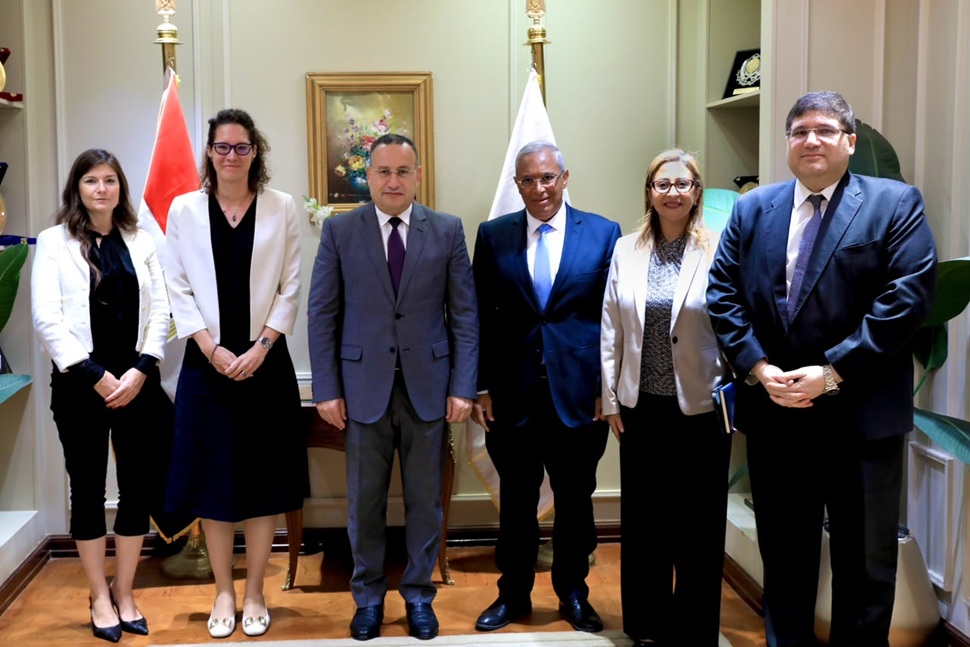
Dr. Abdel Aziz Qonsowa, Minister of Higher Education and Scientific Research and Acting Minister of Culture, received Ms. Rita Harnetcsár, Ambassador of Hungary to the Arab Republic of Egypt, accompanied by Dr. Ksenia Szebos, Deputy Head of Mission at the Embassy of Hungary, at the Ministry's headquarters in the New Administrative Capital. The meeting focused on exploring ways to strengthen bilateral cooperation in higher education, scientific research, innovation, and culture.
The meeting was attended by Dr. Walaa Sheta, Chief Executive Officer of the Science, Technology and Innovation Funding Authority (STDF); Dr. Ayman Farid, Assistant Minister and Head of the Cultural Affairs and Missions Sector; and Dr. Ghada Abdel Bari, Secretary of the Council for Foreign University Branches.
Dr. Abdel Aziz Qonsowa emphasized that Egyptian–Hungarian relations represent a distinguished model of bilateral cooperation, stressing the Ministry's commitment to elevating this partnership through sustainable institutional collaboration between universities and research institutions in both countries. He noted that such cooperation supports Egypt's strategy for the internationalization of higher education, promotes innovation, and strengthens the linkage between scientific research and national development priorities.
The Minister explained that the coming period will witness an expansion of partnerships between Egyptian and Hungarian universities through the launch of additional joint academic programs and dual degrees, while encouraging the exchange of students, faculty members, and researchers to enhance educational quality and academic mobility between the two countries.
He added that the Ministry places particular importance on cooperation with Hungary's applied and technological universities, benefiting from their expertise in preparing graduates for labor market needs, while strengthening collaboration in innovation, technology transfer, and university–industry partnerships.
The Minister also highlighted the importance of fostering direct communication between Egyptian and Hungarian universities, particularly technological and applied institutions, to establish sustainable institutional partnerships, develop joint academic programs, and exchange expertise in applied disciplines that contribute to preparing highly qualified graduates capable of meeting labor market demands in Egypt and the region.
Dr. Qonsowa further affirmed Egypt's commitment to expanding cooperation in transnational education by encouraging Hungarian universities to explore opportunities for establishing joint academic programs or branch campuses in Egypt, building on Egypt's successful experience in hosting international university branches to facilitate knowledge transfer and strengthen academic and research cooperation.
He also noted the Ministry's interest in expanding Arabic language programs for non-native speakers and offering short-term and semester-based study opportunities at Egyptian universities to attract more Hungarian students while promoting academic and cultural exchange between the two countries.
In his capacity as Acting Minister of Culture, Dr. Qonsowa stressed the importance of strengthening cultural cooperation and coordinating preparations for the celebration of the 100th anniversary of Egyptian–Hungarian diplomatic relations in 2028, reflecting the deep historical and cultural ties between the two peoples.
For her part, Ambassador Rita Harnetcsár reaffirmed the strength of Egyptian–Hungarian relations, praising the significant progress achieved by Egypt's higher education system and expressing Hungary's aspiration to further expand cooperation with Egypt in higher education, scientific research, innovation, and culture.
The Ambassador emphasized the importance of promptly renewing the Stipendium Hungaricum Scholarship Programme agreement to ensure the continued participation of Egyptian students in scholarships offered by the Hungarian Government. She noted that the program provides 200 scholarships annually and continues to attract growing interest from Egyptian students. She also reaffirmed Hungary's commitment to strengthening research collaboration between universities and scientific institutions in both countries and capitalizing on Egypt's participation in the Horizon Europe program, which creates broader opportunities for joint research and innovation projects.
The meeting addressed several issues of mutual interest, most notably the renewal of the bilateral scholarship and scientific cooperation agreements before their expiration at the end of the current year, while updating their frameworks to include science, technology, and innovation. Discussions also focused on expanding partnerships between Egyptian and Hungarian universities, launching joint academic programs and degrees, and organizing direct and virtual meetings between university presidents in both countries to explore new opportunities for academic and research collaboration.
The two sides also discussed strengthening cooperation in scientific research and innovation through the Horizon Europe program, launching a joint funding scheme for collaborative research projects, supporting partnerships between technological and applied universities, promoting cooperation between technology parks and innovation ecosystems in both countries, aligning higher education with industrial and labor market needs, encouraging Hungarian universities to benefit from Egypt's experience in transnational education, and exploring the establishment of branch campuses or joint academic programs.
The meeting further explored the development of Arabic language programs for Hungarian students, enabling them to study at Egyptian universities and gain deeper exposure to Egyptian culture, while enhancing academic and cultural exchange and coordinating preparations for the celebration of the centenary of diplomatic relations between Egypt and Hungary in 2028.
At the conclusion of the meeting, both sides agreed to continue coordination between the relevant authorities in the two countries to finalize the renewal of bilateral agreements, expand partnerships between universities and research institutions, organize meetings between university presidents, and exchange academic and ministerial visits during the coming period. These efforts aim to ensure the effective implementation of the agreed initiatives and further strengthen Egyptian–Hungarian cooperation in higher education, scientific research, innovation, and culture, serving the mutual interests of both countries.