-
Increasing bed capacity and equipping units with the latest medical devices at the Main University Hospital
-
Upgrading neurosurgery operating rooms and equipping a capsule-system operating room at the Main Hospital
-
Enhancing emergency neurology intensive care, operating rooms, and the Ophthalmology Department at the Main Hospital
-
Inauguration of the upgraded Interventional Radiology Unit and Stem Cell Separation and Storage Unit at El Mowasah Hospital
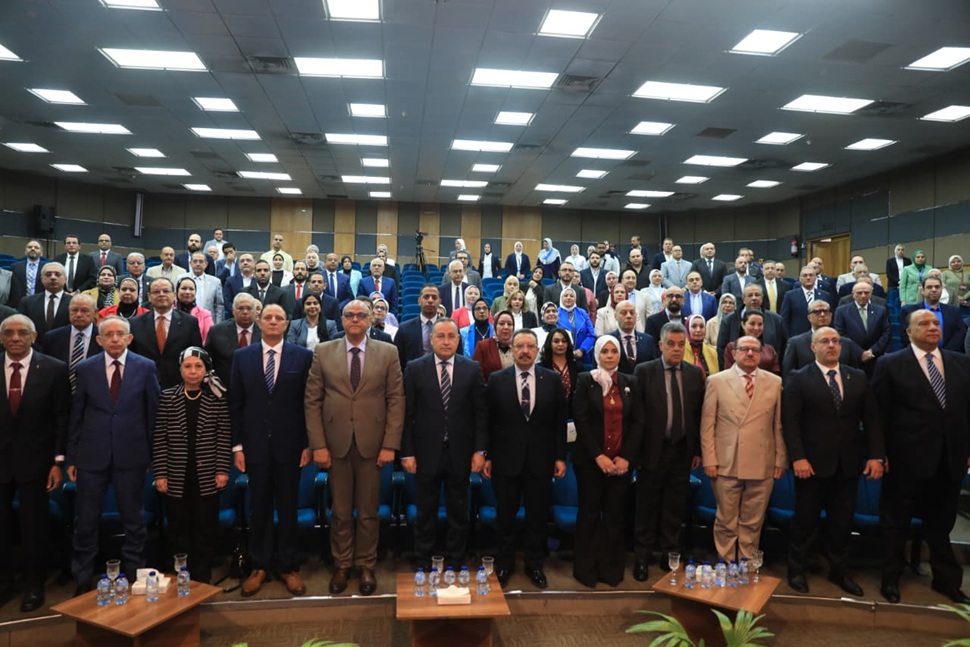
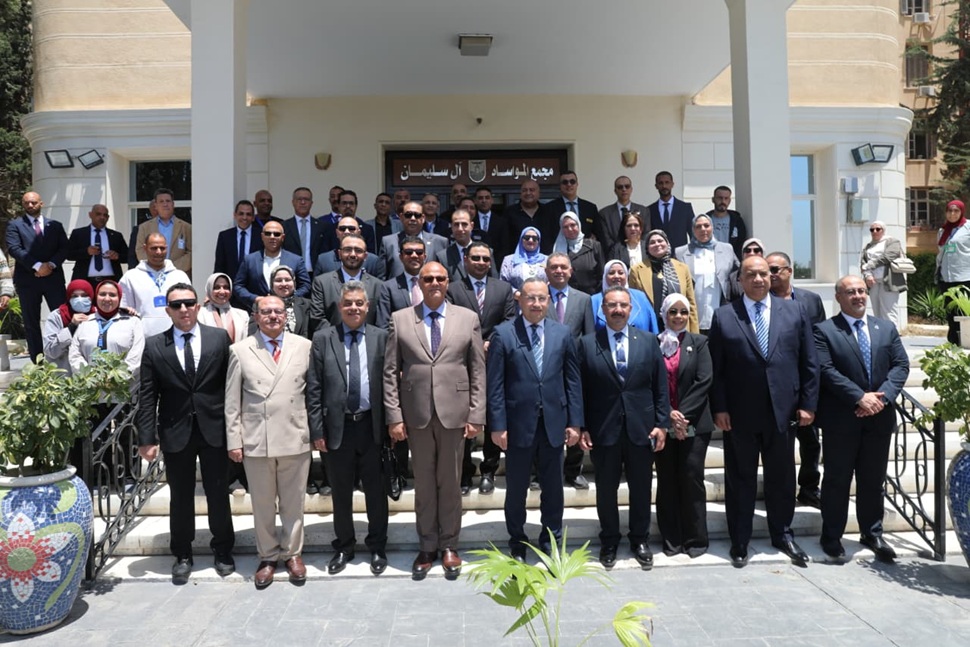
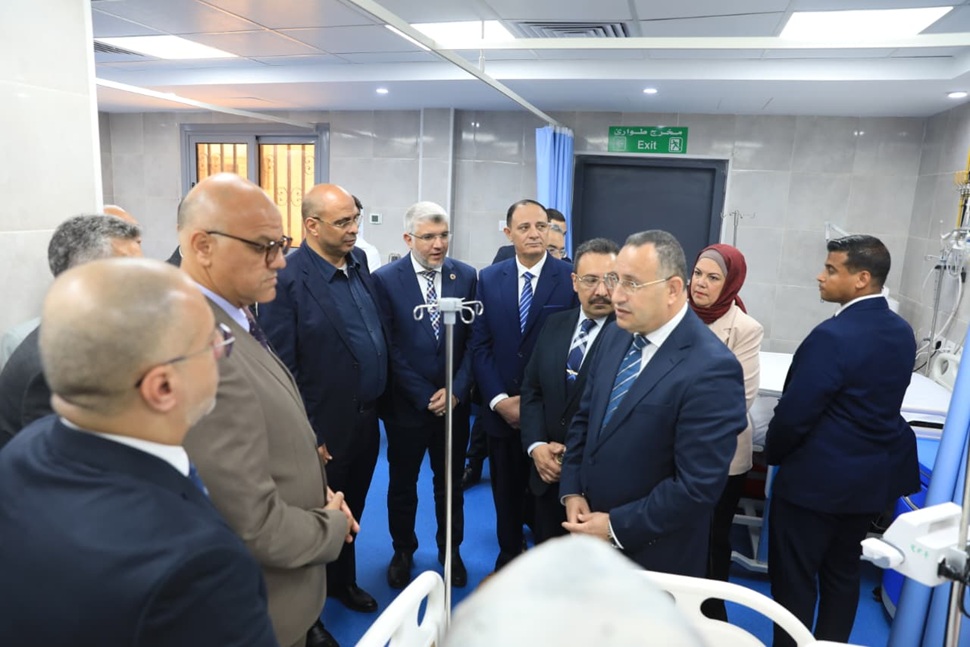
Dr. Abdelaziz Konsowa, Minister of Higher Education and Scientific Research, inaugurated on Sunday a number of healthcare projects at Alexandria University. He was accompanied by Eng. Ayman Attia, Governor of Alexandria; Dr. Ahmed Adel Abdelhakim, Acting President of Alexandria University; Major General Alaa El-Din Eissa, Chief of Staff of the Northern Military Region; along with senior officials from the Ministry, the University, university hospitals, faculty deans, members of Parliament and Senate, and representatives of civil society organizations. The total cost of the projects amounted to approximately EGP 632 million.
The Minister began his visit by inaugurating several development projects at the Main University Hospital. The hospital was equipped with two linear accelerators for radiotherapy treatment of cancer patients, a gamma camera device, and upgrades to the Oncology Department. The newly established first unit was supplied with 12 intensive care beds for critical cases, in addition to a catheterization device and intermediate care unit for diagnosing and treating cardiovascular patients.
The Interventional Radiology Unit was also equipped with an interventional catheterization device and ultrasound equipment. Neurosurgery operating rooms were upgraded and a capsule-system operating room was established, alongside the addition of an ultrasonic tissue aspiration and fragmentation device and a surgical microscope. Furthermore, the neurosurgery intensive care and recovery units were expanded to include 12 ICU beds and 12 recovery beds.
The emergency neurology intensive care unit, operating rooms, and the Ophthalmology Department were also upgraded, with modernization of beds and medical equipment. In addition, the Urology Surgery Department witnessed upgrades to operating and recovery rooms, the addition of an advanced prostate removal device, and a flexible endoscopy unit, while the recovery unit was upgraded to accommodate six beds. The total cost of these projects reached approximately EGP 520 million, including nearly EGP 200 million contributed by civil society organizations.
The visit also included an inspection of El Mowasah Hospital, where the upgraded Interventional Radiology Unit equipped with an advanced catheterization device was inaugurated, in addition to the opening of the Stem Cell Separation and Storage Unit. The unit includes two rooms with four beds and is equipped with stem cell and platelet separation devices, at a cost of EGP 63 million funded through civil society contributions.
As part of the development of healthcare services at Alexandria University Hospitals, El Shatby University Hospital for Obstetrics and Gynecology underwent infrastructure upgrades, modernization of operating and endoscopy rooms, enhancement of the IVF unit, and maintenance of medical equipment, at a cost of EGP 14 million funded by civil society contributions.
Development work was also completed at El Shatby University Children’s Hospital, including upgrades to the neonatal intensive care unit through the addition of 11 modern incubators, infrastructure improvements, and the provision of advanced medical equipment and nursing supplies, at a total cost of approximately EGP 35 million.
In his remarks, Dr. Abdelaziz Konsowa praised Alexandria University’s commitment to developing its healthcare facilities, strengthening infrastructure efficiency, and modernizing university hospitals to increase capacity and improve medical and therapeutic services. He emphasized that these developments are not merely construction projects, but rather a practical embodiment of the state’s strategy under the leadership of President Abdel Fattah El-Sisi, which places citizens’ health among its top priorities.
The Minister also expressed pride in the role of medical staff, faculty members, and employees of university hospitals, who continue to fulfill their noble mission with dedication and professionalism in serving the nation and humanity.
He added that the Ministry of Higher Education and Scientific Research places the development of university hospitals at the forefront of its priorities, in line with the directives of the political leadership, ensuring their competitiveness and alignment with global scientific advancements while providing an advanced healthcare system worthy of Egyptian citizens.
Eng. Ayman Attia affirmed that the developments witnessed today at Alexandria University Hospitals reflect the state’s vision for establishing a modern healthcare system based on the latest technologies and capable of delivering high-quality medical and humanitarian services worthy of Egyptian citizens.
For his part, Dr. Ahmed Adel Abdelhakim expressed his happiness with these inaugurations, describing them as a continuation of the university’s development journey. He thanked Dr. Abdelaziz Konsowa for his support of university hospitals and acknowledged the efforts of all hospital staff, businessmen, civil society organizations, and donors who contributed to supporting Alexandria University Hospitals.
Dr. Tamer Abdullah Helmy, Dean of the Faculty of Medicine and Chairman of the Board of Alexandria University Hospitals, stated that the university hospitals have recently witnessed the implementation of numerous significant projects that enhanced infrastructure efficiency and improved healthcare services in accordance with the latest medical standards.
Dr. Essam Badawy, Acting Executive Director of the University Hospitals, highlighted the university’s commitment to equipping hospitals with state-of-the-art medical devices and increasing capacity to ensure high-quality healthcare services for citizens, emphasizing that community partnership is a key pillar in supporting development plans and improving healthcare quality.
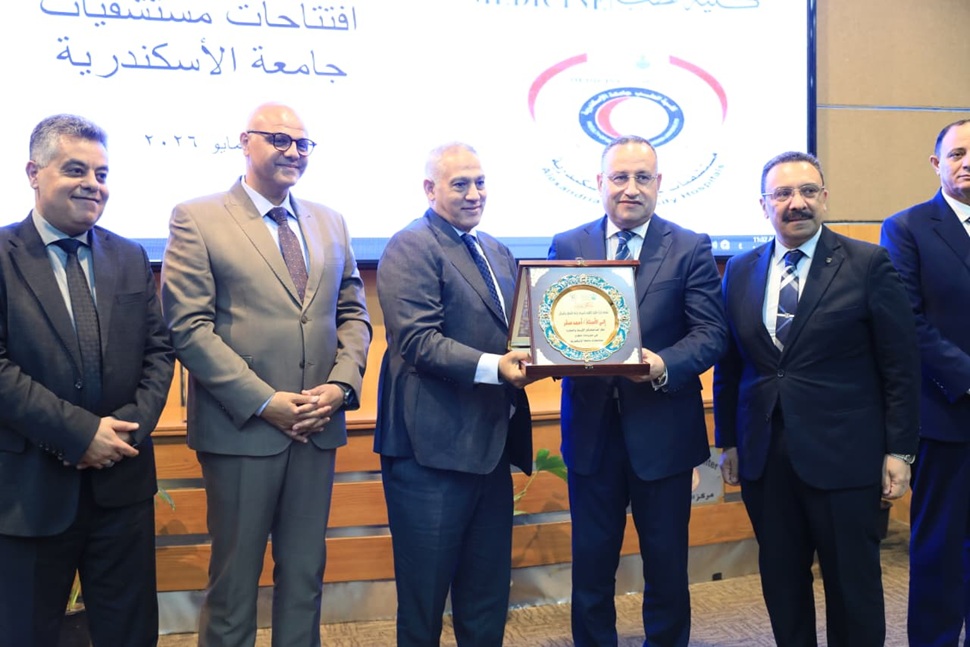
At the conclusion of the event, contributors from civil society organizations, institutions, and entities were honored in recognition of their generous support and sincere national contributions, which had a significant impact on advancing the development of the university hospitals.
 |
 |
 |